Premium quality monofocal IOL
Hydrophobic, no glistening, rapid unfolding
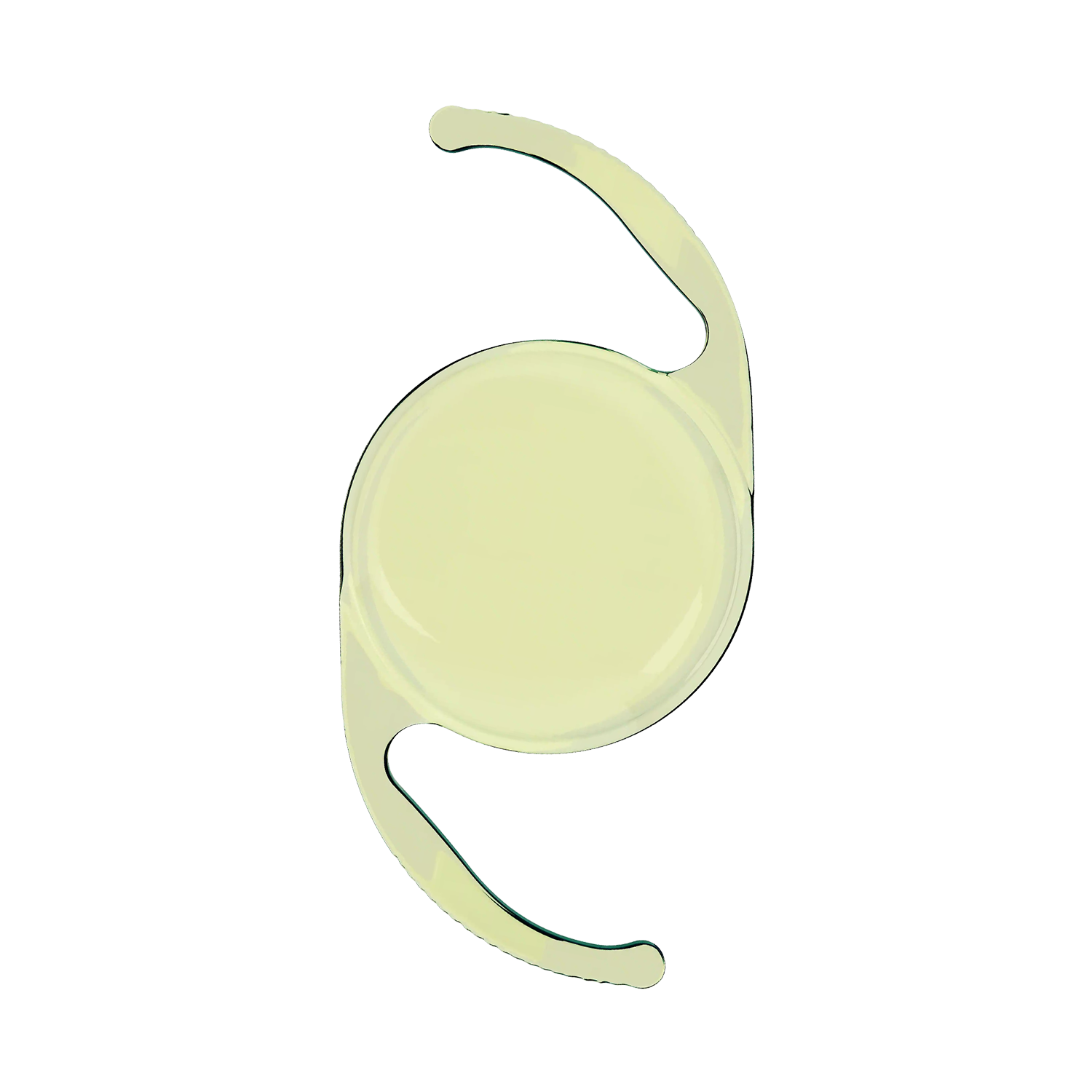
• Aspheric optics (aberration correction -0.20 μ)
• Optics with posterior convex design
• Hydrophobic acrylate – glistening-free
• 360° continuous sharp edge
• Haptics angled at 1.5
• Modified C-loop
• UV-filter
• Refractive index 1.48 at 35°
• 13 mm total diameter
• 6 mm optical diameter
• Dptr. -10.0 to + 36.0 in 0.5 increments – all strengths preloaded
• Aspheric optics (aberration correction -0.20 μ)
• Optics with posterior convex design
• Hydrophobic acrylate – glistening-free
• 360° continuous sharp edge
• Haptics angled at 1.5
• Modified C-loop
• UV-filter
• Refractive index 1.48 at 35°
• 13 mm total diameter
• 6 mm optical diameter
• Dptr. -10.0 to + 36.0 in 0.5 steps – all Dptr. preloaded
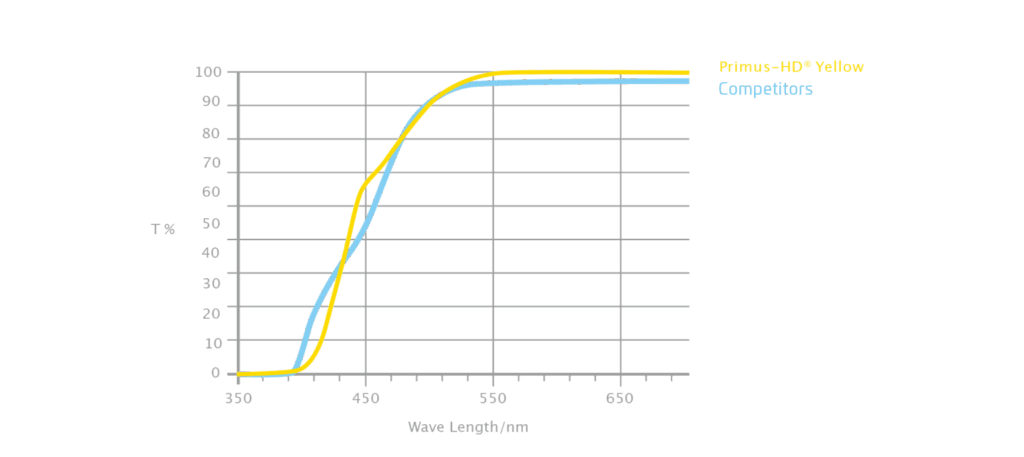
• UV filter and integrated blue light filter (cut-off range 390 nm – 470 nm)
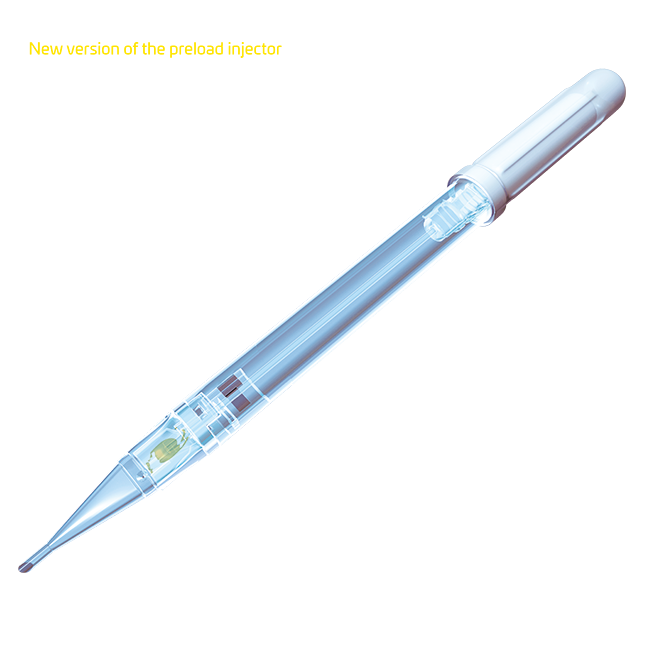
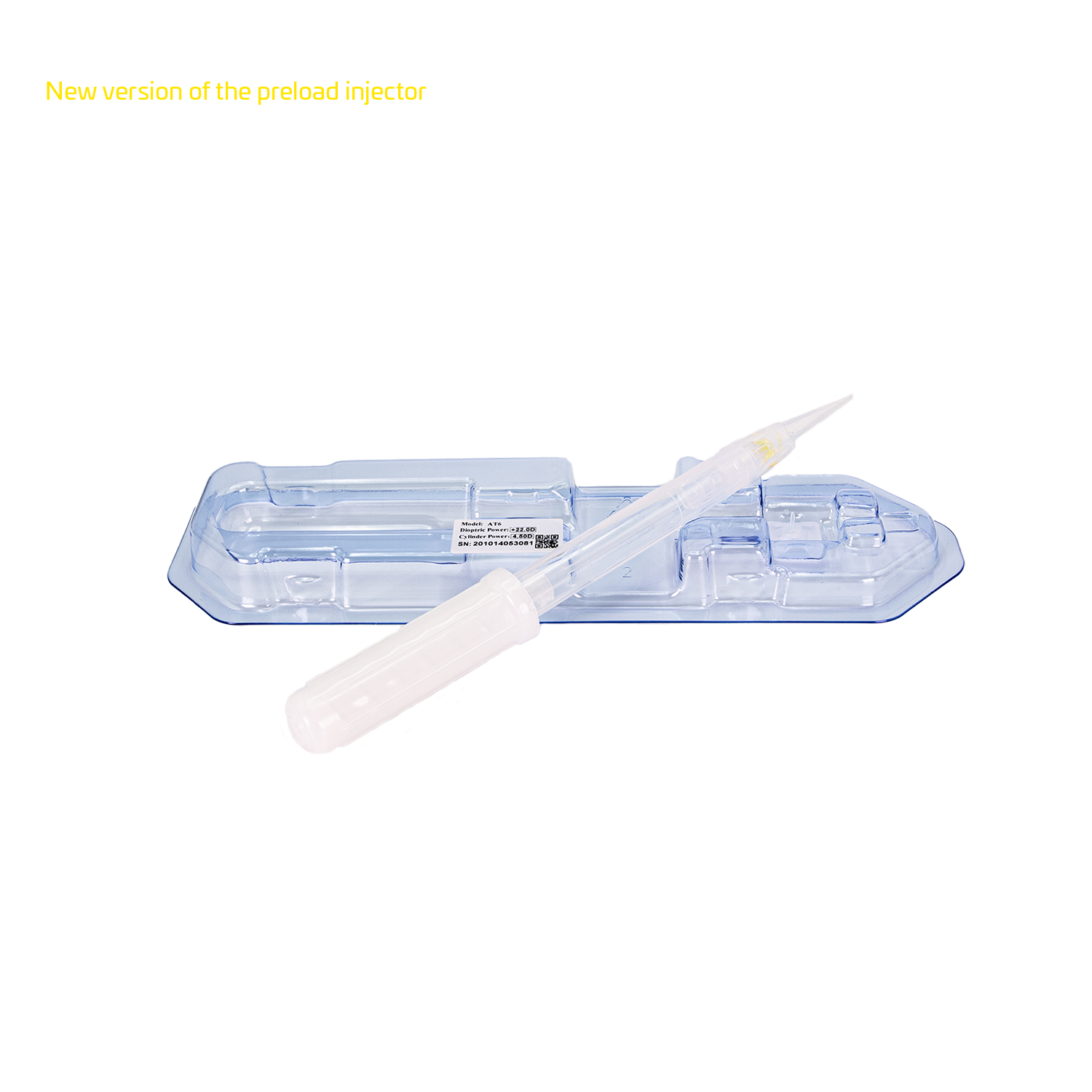
The 100% preloaded system impresses with its ease of use and optimal lens fit. Once the viscoelastic has been filled in, the injector is ready for use.
Controlled implantation thanks to precision twist thread
The dynamic tip enables implantations of 2.0–2.2 mm.
Outer diameter of the injector tip 1.78 mm
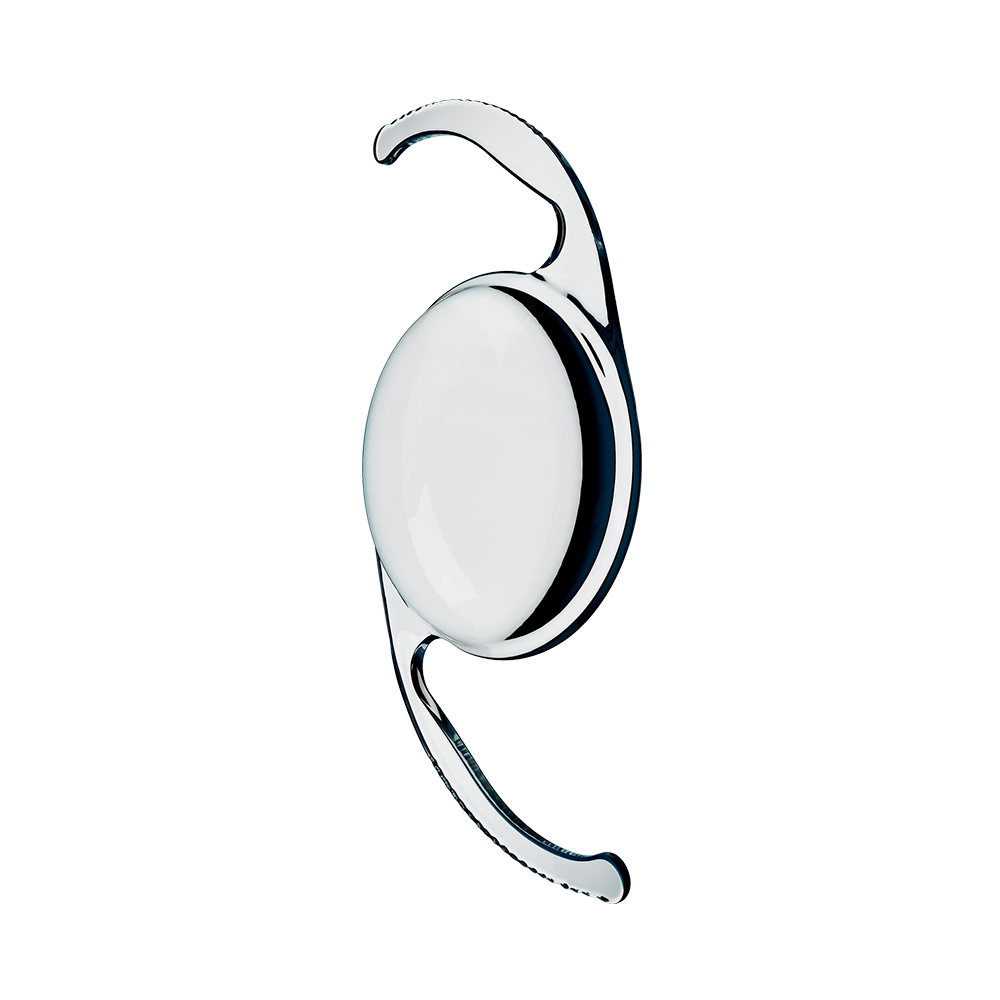
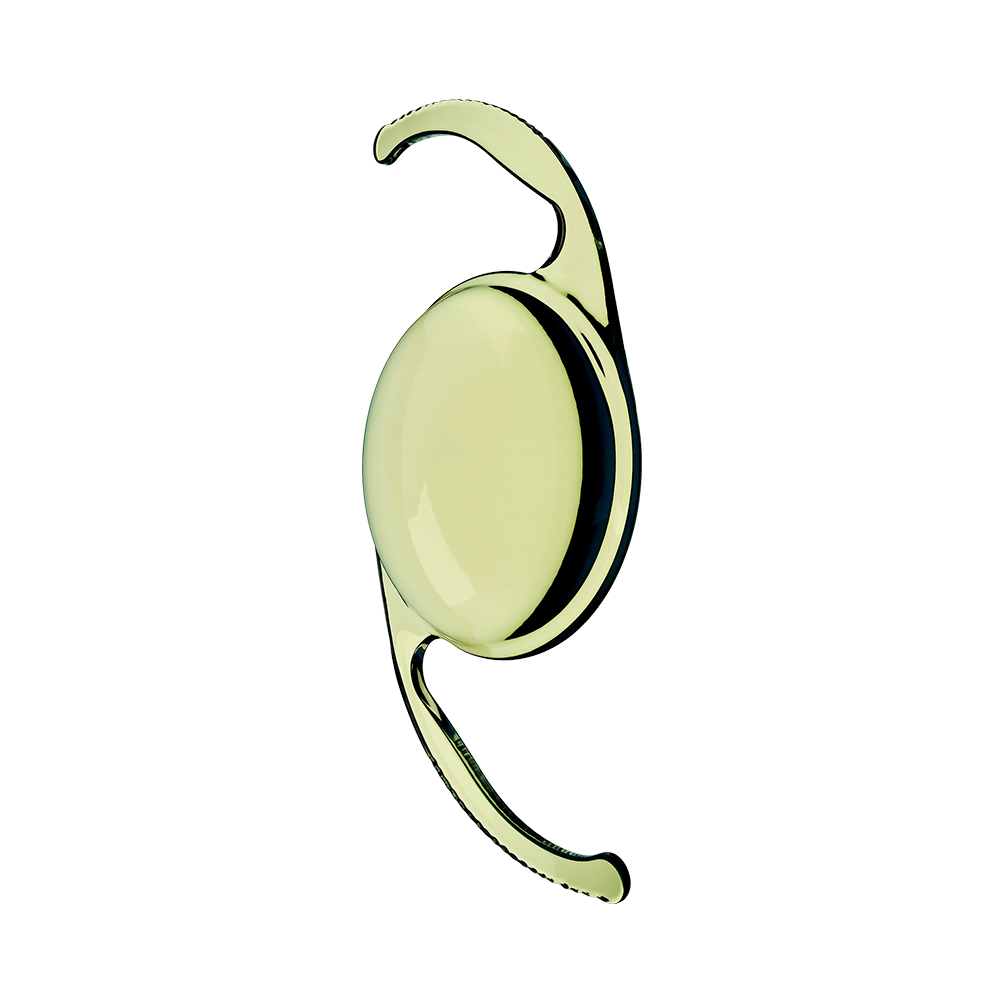
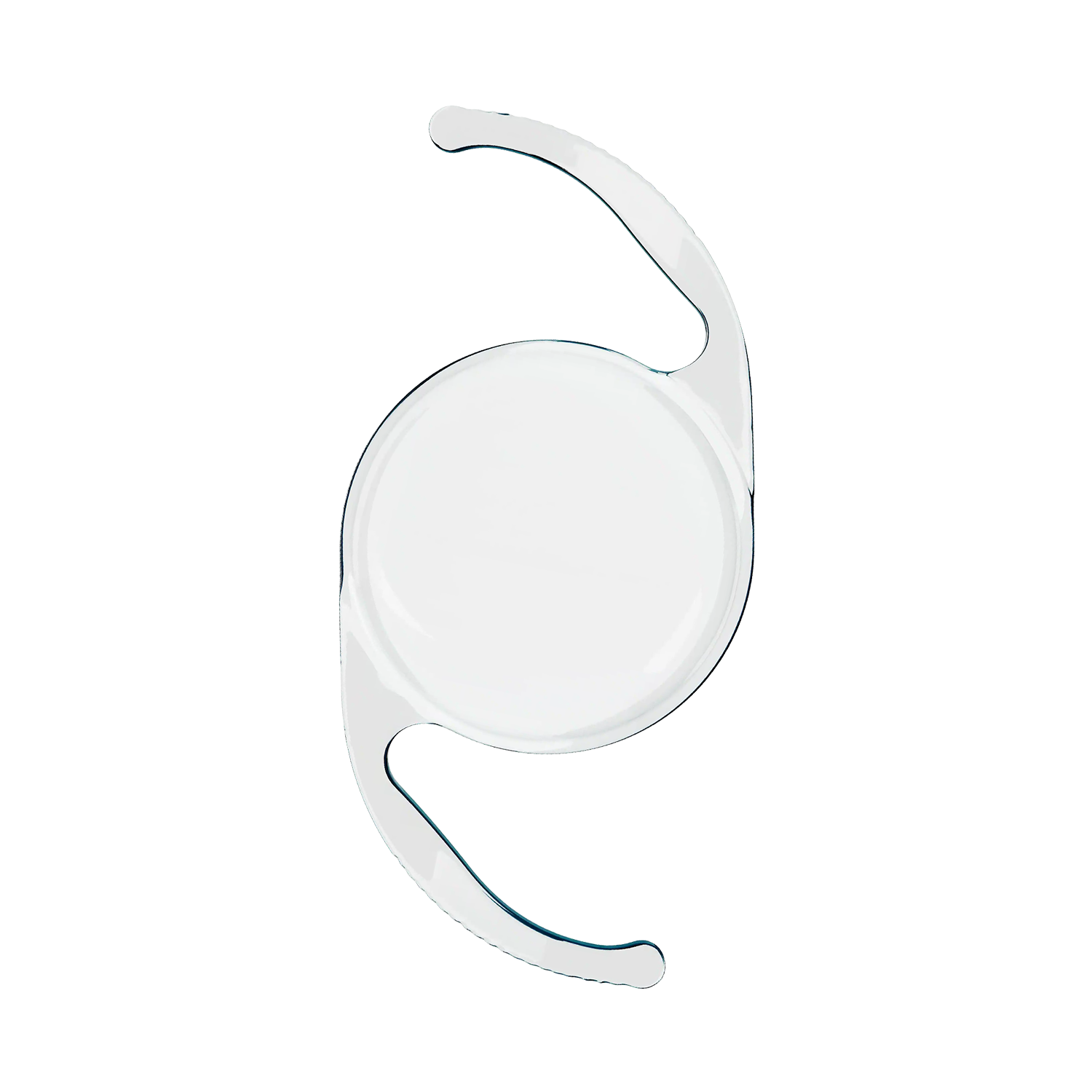
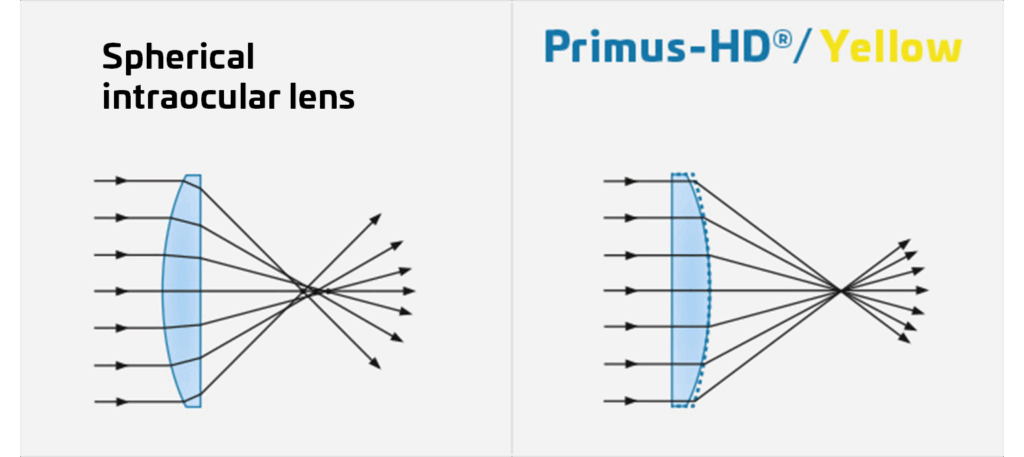
For many years, so-called spherical standard intraocular lenses have been used in cataract surgery. Numerous manufacturers offer these lenses in many different variants. However, spherical lenses have the disadvantage of causing certain optical errors that affect the quality of vision. The aspherical Primus-HD® intraocular lenses can avoid these optical errors. This improves the overall quality of vision, particularly contrast vision and vision in the dark.
A spherical lens does not focus peripheral light rays at the same point as central light rays. This is because the refractive index of the lens increases as the distance between the incident light ray and the center of the lens increases. Peripheral light rays are therefore refracted more strongly by the lens than central light rays. Thus, spherical aberration causes blurred images when the beam of light is widely open, i.e., when the pupil is widely open. This makes vision blurry. This error can be eliminated by manufacturing the lens surfaces with less curvature toward the edge. This is exactly what the aberration-correcting optics of Primus-HD® intraocular lenses offer.
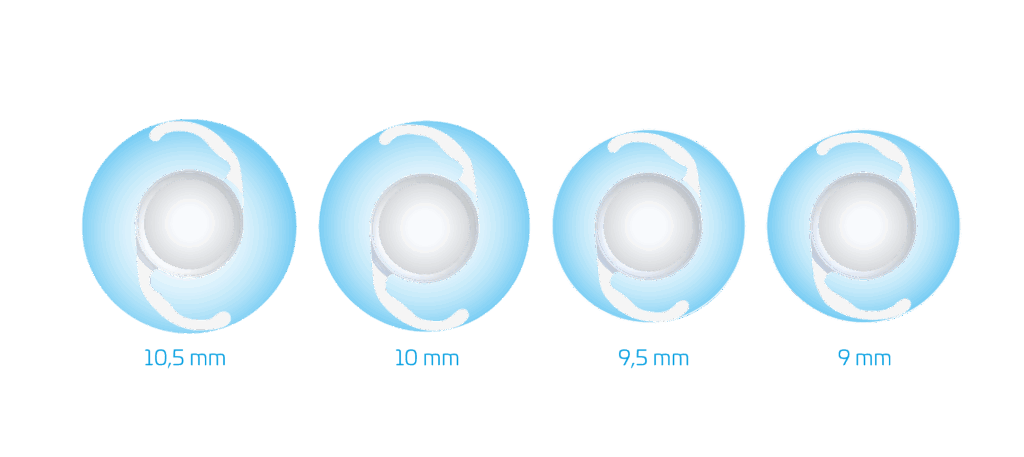
• Lens adaptation to capsular bags of different sizes
• Good centering and stability
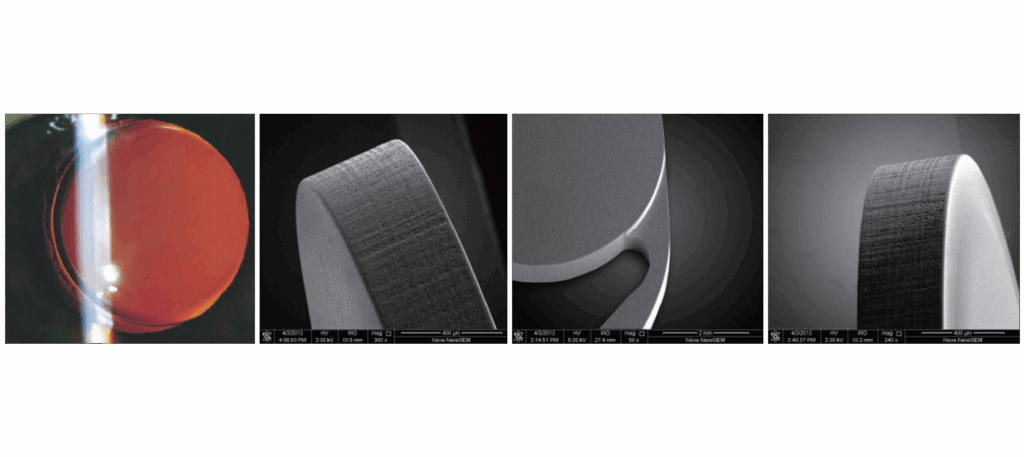
• High-purity premium acrylic, free of glistenings, no sticking of the haptics, high light transmission.
• Roughened lens edge effectively prevents glare induced by the optical edge.
• 360° contact with the posterior capsule.
• 360° Ultra Sharp Square Edge Design, increased barrier effect against Lec’s.
Expertenstimmen

Ärztlicher Direktor Universitäts-Augenklinik Heidelberg
Die Maxvision performt in allen Bereichen sehr gut und besitzt ein sehr gute Bildgüte. Sie ist mindestens kopetitiv, wenn nicht sogar besser zu dem, was wir heutzutage als “Goldstandart” bezeichnen.

Ärztlicher Leiter der Augenklinik Petrisberg Trier
Wir haben die Maxvision jetzt schon vielfach implantiert und die Erfahrungen sind, durch die Bank, absolut positiv. Wir hatten bis jetzt noch keinen einzigen Patienten der Halos wahrgenommen hat und das macht große Hoffnung.

Ärztlicher Leiter MVZ Oculaix
Aachen
Die Maxvision ist einfach so geil, obwohl ich keinen grauen Starr habe, überleg ich ob ich sie mir einsetzen lasse!
Primus-HD® / Primus-HD® Yellow
Single piece
High-purity, hydrophobic acrylic, glistening-free, Miyata grade zero
Posterior convex, aspherical optics (aberration correcting -0.20 μ)
UV-filter (Primus-HD® Yellow with blue light filter)
all strengths preloaded
Modified C-loop, 1.5°
360° ultra-sharp square edge, roughened edge
*The A-constant is the basis for calculating the lens power.
It is recommended to adjust this based on the experience of the surgeon and the equipment used.
